Bed Bug Treatment Winston-Salem NC for Residential Pest Protection
Bed Bug Treatment Winston-Salem NC for Residential Pest Protection
Blog Article
Proven Bed Bug Treatment Solutions for a Pest-Resistant Home
Bed bugs present a formidable challenge for homeowners seeking a pest-free environment. Understanding their patterns and effective methods is paramount. A combination of do-it-yourself strategies overview and professional pest control can achieve the best performance. This review will assess important implements, validated home remedies, and professional options. Likewise, preventive measures can help secure that these pests do not reappear. The path to a bed bug-free home requires attentive examination and strategic efforts.

Comprehending Bed Bugs: Identification and Conduct
Bed bugs, small parasitic insects part of the Cimex lectularius species, are legendary for their ability to disrupt sleep and provoke unease. Notable by their sleek, rounded bodies and reddish-brown coloration, adult bed bugs measure about a quarter of an inch in length. Their structure and profile allow them to hide easily in crevices and seams of furniture, bedding, and walls.
Bed bugs are mainly nocturnal, consuming the blood of their hosts during the night. They are drawn to CO2 and thermal energy, making humans perfect hosts. Breeding happens rapidly; a single female can lay hundreds of eggs in her lifetime. Understanding the behavior and habits of bed bugs is essential for successful control, as they can rapidly colonize homes and remain inactive for extended periods. Their ability to withstand environmental shifts highlights the importance of prompt identification and action.
Key Instruments for Effective DIY Pest Treatment
Successful DIY bed bug treatment relies on a strategic approach, and securing the appropriate tools is critical for success. Key tools feature a high-grade vacuum cleaner with a HEPA filter, which captures bed bugs and their eggs efficiently from numerous surfaces. Steamers prove equally vital; the high temperatures eradicate bed bugs on contact, making them excellent for addressing mattresses and upholstery.
Bed bug traps can be placed under leg supports to monitor and catch any insects attempting to climb. Additionally, protective covers for mattresses and box springs help stop pest problems and protect against future invasions. A reliable flashlight is necessary for complete examinations in poorly lit spaces, while alcohol solution can act as a quick targeted fix.
Finally, a sturdy brush helps with removing bugs from crevices. Together, these tools create a thorough arsenal for addressing bed bug infestations successfully.
Tested Home Remedies for Bed Bug Elimination
Property owners looking for relief from bed bug infestations often rely on proven remedies that can be discovered in their own kitchens or local stores. One powerful approach involves using essential oils, particularly tea tree and lavender oil, recognized for their bug-repelling properties. Blending these oils with water and spraying them on affected areas may assist in discouraging bed bugs. Another popular remedy is diatomaceous earth, a natural powder that removes moisture from the bugs upon contact, successfully eliminating them over time.
Freezing items that cannot be washed, like shoes or stuffed animals, for several days can also exterminate bed bugs. Furthermore, a detailed vacuuming of infested areas followed by steam cleaning can break up their habitats. While these home remedies may not promise total eradication, they can act as helpful adjuncts to a comprehensive pest control strategy. Homeowners should stay alert and watch for any signs of resurgence.
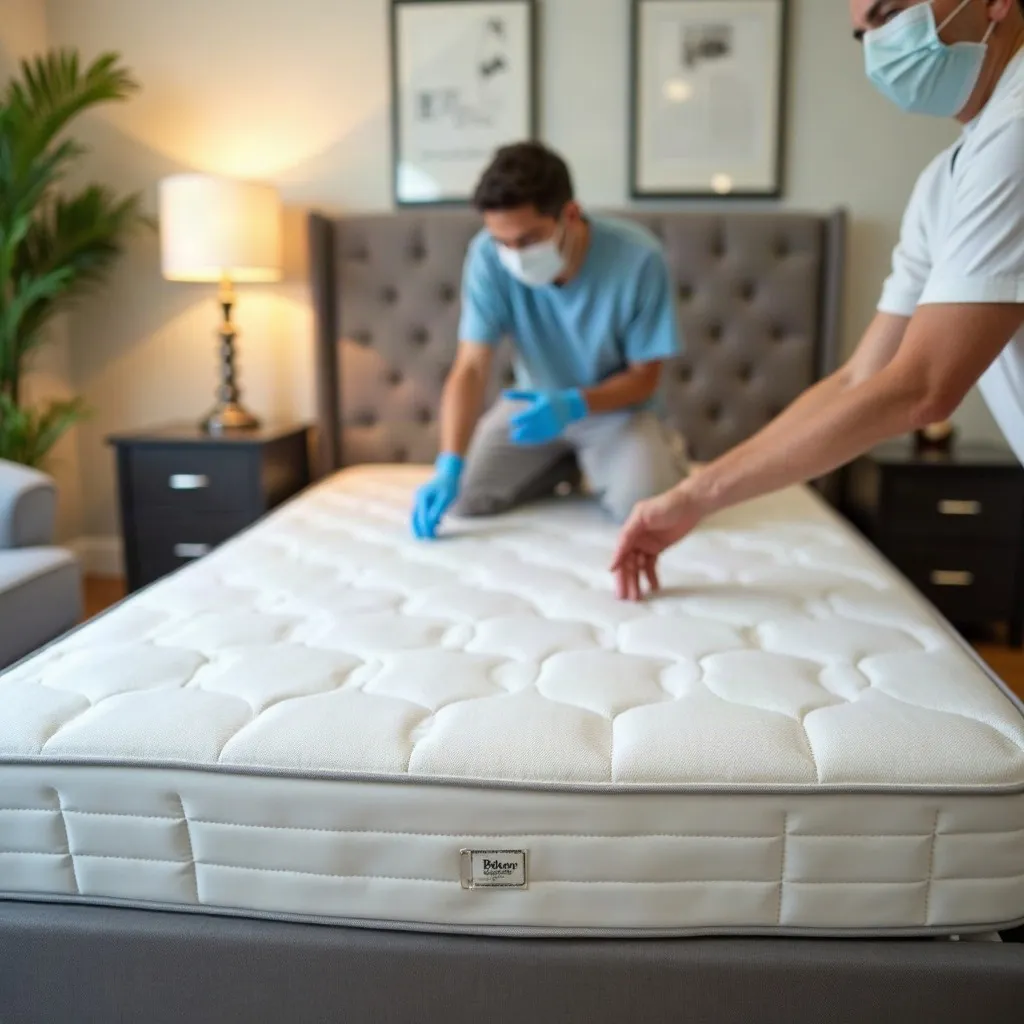
Guide to Choosing Professional Bed Bug Eradication
What is the finest way to identify the best expert bed bug extermination service? To make an informed choice, people must begin by researching local companies with a solid reputation. Testimonials and testimonials from past clients provide perspective into the success and trustworthiness of services offered. It is essential to verify that the exterminators are licensed and insured, ensuring they conform to industry standards.
Next, look into the methods used for extermination. Reputable organizations typically offer a assortment of approaches, encompassing chemical interventions and heat-based approaches. Looking into their service protocols can also signal their commitment to long-term solutions. Obtaining various estimates allows for contrast, but the lowest price should not be the sole factor. Finally, a good pest management company will furnish a lucid description of the operation and answer any questions, establishing trust and confidence in their competence.
Protecting Against Forthcoming Bed Bug Infestations
After acquiring professional bed bug extermination services, focus should shift toward preventing recurring infestations. Putting proactive measures in place is crucial for keeping your space free from bed bugs. First, frequent checks of sleeping quarters and nearby furniture can aid in identifying any initial indicators of bed bugs. Using protective covers for mattresses and box springs forms a defensive barrier that stops bed bugs from concealing themselves and reproducing.
Moreover, it is important to exercise caution when traveling. Checking hotel rooms and maintaining luggage elevated can reduce the risk of bringing bed bugs home. Decluttering living spaces also decreases potential hiding spots, making it easier to spot any infestations early.
Furthermore, educating all household members about bed bug signs and preventative practices fosters a collective responsibility. By utilizing these approaches, homeowners can significantly lower the chance of a future bed bug problem, thereby guaranteeing a relaxing, pest-free home.
Consistent Daily Routines for Maintaining Your Home Free of Bed Bugs
Keeping a bed bug-free home requires consistent daily practices that decrease the risk of infestations. It is necessary to regularly inspect bedrooms; looking for signs like skin casts or discolorations on bedding can help identify problems early. Washing bedding and linens each week in high-temperature water is another efficient step, as the heat kills any possible eggs or bugs.
Vacuuming routinely, especially in areas where pets sleep and along baseboards, can eradicate hidden bed bugs and their eggs. Reducing clutter levels also supports preventative measures, as it offers fewer hiding spots.
When traveling, people should inspect hotel rooms and place luggage raised on racks rather than on beds or floors. Additionally, closing cracks and crevices in walls or furniture can greatly decrease the chances of bed bug entry. Adopting these regular practices fosters a preventive approach to maintaining a pest-free environment.
Often Raised Questions
What Length Can Bed Bugs Sustain Without a Host?
Bed bugs can survive without a host for quite a few months, typically ranging from two to six months. Their strength allows them to endure in environments devoid of food, looking for a suitable host to appear.
Do Bed Bugs transmit Diseases to Humans?
Bed bugs do not spread diseases to humans, according to health experts. Their bites can cause discomfort and allergic responses, but they are not known carriers of disease-causing agents that result in infectious diseases or severe health conditions.
Do Pets Introduce Bed Bugs Into Your Home?
Your pets can accidentally bring bed bugs into the home by acquiring them from infested areas. While bed bugs do not typically infest pets, they can ride on fur or items.
Is It Secure to Use Insecticides Around Children?
Deploying insecticides where kids are present carries safety risks. It's essential to follow label instructions, provide proper oxygen circulation, and distance children from the area during application. Engaging a pest control consultant can furnish safer alternatives and counsel for family environments.
What indicators indicate that my pest elimination succeeded?
To evaluate if bed bug treatment was effective, one should keep track of for signs such as welts, discarded skin, or active pests for several weeks. Regular inspections and follow-up treatments may be essential for complete removal.
Report this page